 KYOTO · N5–N1
Japanese course · JLPT N5 to N1 · 34 units
Practice speaking Japanese in real conversations
Order coffee in Kyoto, check into a ryokan, buy a train ticket and ask your way to Fushimi Inari. The course builds up to conversations you can actually have, from your first hiragana to JLPT N1.
For iPhone, iOS 18 or later.
Your first conversation
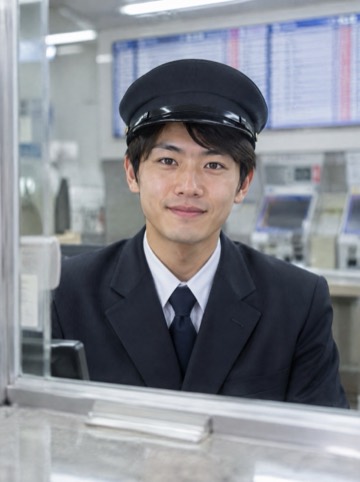
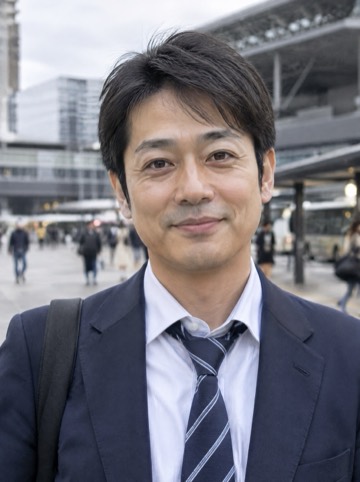
Meet your Japanese tutors
Your first mission is Café in Kyoto with Yui, a barista at Café Komorebi, Kyoto. She greets you, takes your order, asks if it's for here or to go, and tells you the price. Rehearse the phrases first, then talk or type your answers.
As the course goes on you'll meet more of the cast, each with their own place and mission. Ask any of them to repeat, slow down, or show English.
いらっしゃいませ!ご注文はお決まりですか?Welcome! Are you ready to order?


Syllabus
Every Japanese unit, A1 to C1
34 units across five levels, with 24 built-in speaking missions. You can also write your own.
A1 · Beginner
JLPT N58 units
- Sounds and hiragana あ–とYou'll be able to read and say the first 20 hiragana and greet people.Covers: The five vowels あいうえお, The か, さ and た rows, Greetings: おはよう, こんにちは, こんばんはSpeaking mission: Greet a neighbor in the morning and in the evening
- Hiragana な–んYou'll be able to read all of hiragana, including voiced sounds and small ゃゅょ.Covers: The な to ん rows, Voiced sounds with ゛ and ゜, Small っ and ゃゅょ, long vowelsSpeaking mission: Thank a shopkeeper and say goodbye politely
- Katakana and loanwordsYou'll be able to read katakana and recognize words borrowed from English.Covers: Katakana, matched to hiragana, The long-vowel mark ー, Sounds made for loanwords: ティ, ファ, ヴSpeaking mission: Ask a convenience store clerk if they have coffee and sandwiches
- Introducing yourselfYou'll be able to say your name, where you're from and what you do.Covers: X は Y です, Negative: じゃないです, の to link nouns, Questions with かSpeaking mission: Introduce yourself at a language exchange in Tokyo
- Things around youYou'll be able to point at things, ask what they are, and count to a hundred.Covers: これ, それ, あれ, どれ, この, その, あの, Numbers 1–100, も: also
- Ordering food and drinkYou'll be able to order at a café or restaurant, count items and pay.Covers: を ください / お願いします, Counters 一つ, 二つ, 三つ, いくら: asking prices, で for how you paySpeaking mission: Order lunch for two at a ramen shop and pay by card
- Your dayYou'll be able to say what you do every day and when.Covers: ます verbs: present and negative, に for times, を, で and へ with verbs, Days of the week, telling timeSpeaking mission: Tell a new friend about your daily routine
- Where things areYou'll be able to ask where places are and understand the answer.Covers: あります and います, に for where something is, 上, 下, 中, 前, 後ろ, 隣, どこ: whereSpeaking mission: Ask for directions: Find Fushimi Inari from the station
A2 · Elementary
JLPT N48 units
- Past and plansYou'll be able to talk about last weekend and make plans together.Covers: Past: ました, ませんでした, Invitations: ませんか, ましょう, Time words: 昨日, 先週, 来週Speaking mission: Invite a coworker to see a movie on Saturday
- Describing thingsYou'll be able to describe people, places, weather and how you feel.Covers: い-adjectives and な-adjectives, Their negative and past forms, とても, あまり〜ない
- The て-formYou'll be able to ask people to do things and say what you're doing now.Covers: Making the て-form, てください: please do, ている: doing now, or a state, Linking actions with てSpeaking mission: Ask a hotel clerk to call you a taxi and keep your bags
- Permission and rulesYou'll be able to ask if something is OK and understand rules.Covers: てもいいですか, てはいけません, なければなりません, なくてもいいですSpeaking mission: Check into a ryokan: Ask about the bath rules and dinner time
- Plain form and casual speechYou'll be able to talk casually with friends.Covers: Dictionary form, ない form, Plain past: た, なかった, When to use casual speechSpeaking mission: Chat casually with a friend about what you ate yesterday
- Wanting and comparingYou'll be able to say what you want and compare things when shopping.Covers: たい: want to do, ほしい: want a thing, より, のほうが, いちばん: the mostSpeaking mission: Buy a sweater, ask for a smaller size, and compare two colors
- Giving reasonsYou'll be able to explain why, and apologize with a reason.Covers: から and ので, んです to explain, でも, それでSpeaking mission: Call your teacher to explain why you'll miss class
- Kanji foundationsYou'll be able to read the 100 most common kanji and guess new ones from their parts.Covers: Radicals: the building blocks, On and kun readings, Kanji for numbers, days, people, placesSpeaking mission: Buy a train ticket: A reserved seat to Osaka
B1 · Intermediate
JLPT N37 units
- ExperiencesYou'll be able to talk about things you've done and things you plan to do.Covers: たことがある, たり〜たりする, つもり and 予定Speaking mission: Swap travel stories with a fellow guest at a guesthouse
- Giving and receivingYou'll be able to talk about gifts and favors the Japanese way.Covers: あげる, くれる, もらう, てあげる, てくれる, てもらう, Who is in your in-groupSpeaking mission: Thank your host family for a gift and say what you'll give them
- ConditionalsYou'll be able to give advice and talk about what happens if….Covers: と for natural results, ば for conditions, たら for when or if, なら for given thatSpeaking mission: Ask a pharmacist what to take for a cold, and what to do if it gets worse
- Ability and changeYou'll be able to say what you can do and how you've changed.Covers: Potential form, ことができる, ようになる, ようにする
- Polite speech at workYou'll be able to speak politely to customers and senior colleagues.Covers: Respectful verbs: いらっしゃる, おっしゃる, Humble verbs: 参る, 申す, お〜になる and お〜するSpeaking mission: Introduce yourself on your first day at a Japanese company
- Passive and causativeYou'll be able to say what happened to you and what someone made you do.Covers: Passive: られる, Suffering passive, Causative: させる, Causative-passive: させられる
- Hearsay and appearanceYou'll be able to pass on what you heard and say how things seem.Covers: そうだ: I hear, そうだ: looks like, ようだ and みたい, らしいSpeaking mission: Gossip with a friend about a celebrity wedding you read about
B2 · Upper intermediate
JLPT N26 units
- Opinions and argumentsYou'll be able to give and defend an opinion on everyday issues.Covers: と思う, と考える, について, に対して, わけ, わけではない, Softening disagreementSpeaking mission: Debate with a friend whether remote work is good for Japan
- Formal writingYou'll be able to read and write in the plain written style.Covers: だ and である style, Written connectors: しかし, したがって, 一方, Nominalizing with こと and の
- Time with nuanceYou'll be able to describe timing precisely.Covers: うちに, ところ: about to, in the middle of, just did, ばかり, とたん, 次第
- Business JapaneseYou'll be able to write work emails and handle formal calls.Covers: Full keigo in practice, Email set phrases, Phone etiquetteSpeaking mission: Apologize to a client by phone for a delayed delivery
- Idioms and set phrasesYou'll be able to understand and use common idioms and four-character compounds.Covers: Idioms with 気, 手, 顔, 四字熟語, Onomatopoeia: ドキドキ, ペラペラ
- News and mediaYou'll be able to follow news reports and discuss them.Covers: News passives and nominalizations, による, にとって, において, Numbers, dates and statisticsSpeaking mission: Discuss today's news over coffee with a coworker
C1 · Advanced
JLPT N15 units
- Literary JapaneseYou'll be able to read modern fiction and recognize classical traces.Covers: Classical forms: べし, ず, ぬ, Literary connectors, Narrative tense shifts
- Fine distinctionsYou'll be able to use N1 grammar that carries nuance.Covers: ものの, にもかかわらず, ならでは, ともなると, をもって, をよそに
- Regional speechYou'll be able to understand Kansai dialect and how speech varies.Covers: Kansai-ben: へん, や, はる, Tokyo vs. Osaka intonation, When locals switch stylesSpeaking mission: Chat with an Osaka shopkeeper who speaks Kansai-ben
- Debate and persuasionYou'll be able to argue a position and persuade an audience.Covers: Rhetorical questions, Concession: たしかに〜が, Structuring a speechSpeaking mission: Persuade a city council member to add more bike lanes
- Reading anythingYou'll be able to read newspapers and specialist texts with strategies for unknown words.Covers: Guessing kanji compounds from parts, Academic vocabulary, Long modifying clauses
Levels
Does the JLPT test speaking?
No. The JLPT tests reading and listening only, so plenty of learners pass N4 or N3 and still freeze when someone talks to them. That gap is what Vivavoce is for.
Each level lines up roughly with a JLPT level, A1 with N5 through C1 with N1, so the grammar and vocabulary you practice out loud are the same ones you'd study for the exam.
Furigana, your way
最後の電車 · The Last Train · N5
夜の十一時です。マリはかばんを持って、道を走っています。
It's eleven at night. Mari is running down the street with her bag.
Stories can show furigana on every word, only on words you haven't learned yet, or not at all, so you lean on readings less over time. Romaji is off by default because it slows down learning kana.
FAQ
Questions about learning Japanese with Vivavoce
Can I learn to speak Japanese as a complete beginner?
Yes. The course starts with the first twenty hiragana and simple greetings, and your first speaking mission is greeting a neighbor. You can rehearse every phrase before a conversation and ask the tutor to repeat, slow down or show English.
Do I need to learn hiragana first?
You learn it as you go. The first two units cover all of hiragana and the third covers katakana, and furigana is on in stories until you turn it down.
Does Vivavoce teach casual or polite Japanese?
Both. You start with polite です and ます forms, learn casual speech with friends at A2, and keigo for work at B1.
Can Vivavoce help me prepare for the JLPT?
Vivavoce focuses on speaking, which the JLPT doesn't test, but each level follows the grammar of a JLPT level from N5 to N1, so it complements exam study.
Also on Vivavoce
Speaking practice in Spanish · Thai · Cantonese. See how missions work, or read why speaking practice and flashcards work best together.

Start speaking today
Your first speaking mission takes about six minutes. For iPhone, iOS 18 or later.